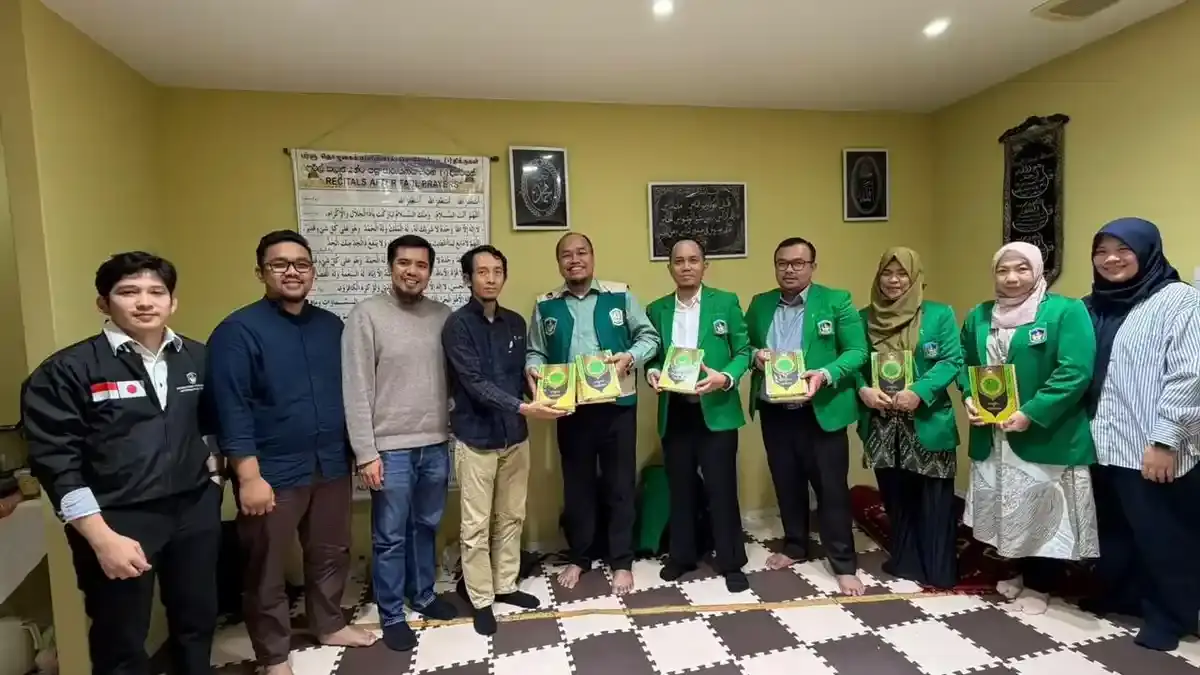
Hiroshima, Japan – The Faculty of Medicine at the Indonesian Muslim University (FK UMI) conducted a health education program for students and members of the Indonesian diaspora in Hiroshima, Japan, on Wednesday, October 28, 2026. This event was part of the FK UMI International Community Service series held at the Kasumi Mosque in Hiroshima.
The health education program targeted members of the Indonesian Student Association (PPI) in Hiroshima as well as Indonesians residing in the area. The event addressed non-communicable diseases that require attention, particularly diabetes mellitus, hypertension, and cardiovascular diseases.
Diabetes, hypertension, and heart disease are health issues that require vigilance, including among Indonesians living far from their homeland. Understanding risk factors and early detection are crucial so that degenerative diseases can be identified and treated as early as possible.
Through educational sessions and interactive discussions, participants were encouraged to recognize various degenerative diseases, understand risk factors, and raise awareness of the importance of early detection. The material presented is expected to help participants better understand health conditions that require attention in their daily lives.
This event also served as a forum for knowledge-sharing between the UMI Faculty of Medicine delegation and the Indonesian diaspora community in Hiroshima. Through direct interaction, participants had the opportunity to discuss health issues relevant to their daily lives and the importance of developing healthy habits.
The implementation of this health education initiative reflects the UMI Faculty of Medicine’s commitment to expanding its community service contributions to the international level. Through the International Community Service program, the UMI Faculty of Medicine strives to provide health education that benefits the Indonesian community abroad while strengthening ties with the diaspora community.
This activity is expected to raise public awareness of diabetes mellitus, hypertension, and cardiovascular diseases, as well as encourage greater attention to risk factors and early detection. Thus, health education serves as a crucial step in supporting disease prevention efforts and improving the community’s quality of life.